Programming, problem solving, and algorithms
CPSC 203, 2026 W1
September 10, 2026
Warning
- This course uses slides.
- It is familiar and easy way to learn, but often leads to poor understanding and retention.

- Learning is a contact sport!
- You will be surprised, confused, angry, and sad on the path to enlightenment





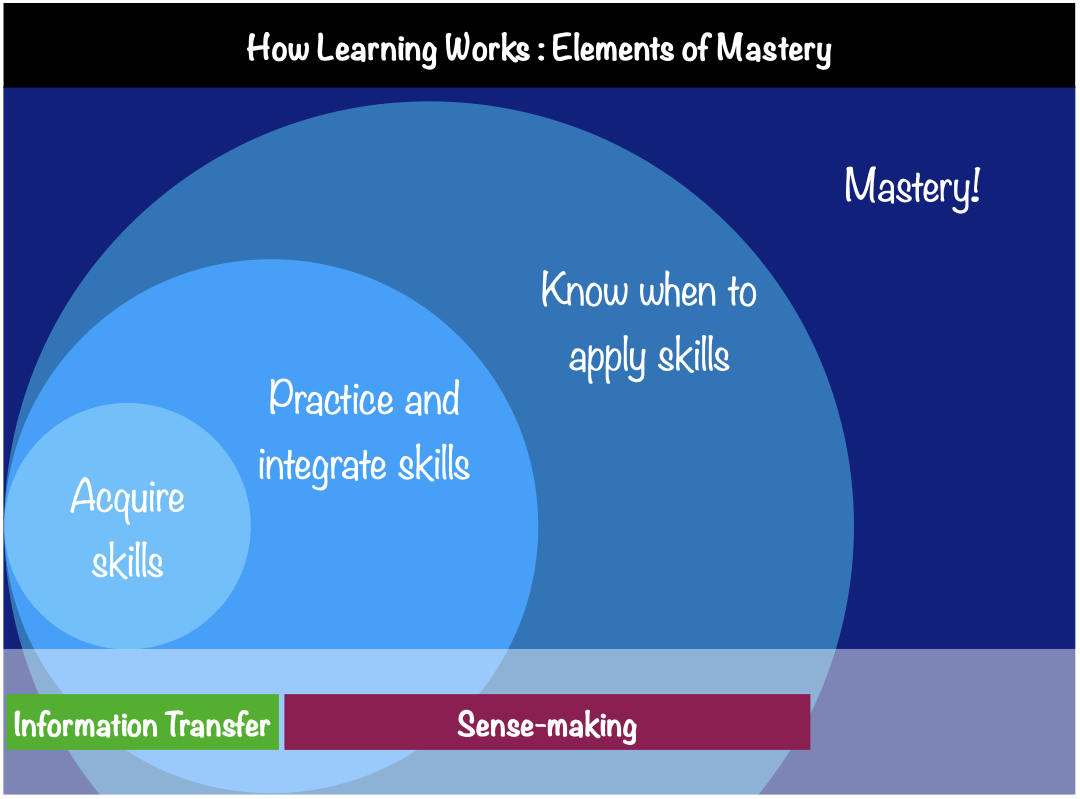
How Learning Works
Introductions
Teaching Staff
- Instructor: Ian Mitchell (he / him)
- Email: ian.mitchell@ubc.ca.
- Office: ICCS 223 or

- Office hours: TBA
- TA: Markus Chu
- Office Hours: TBA
- TA: Jayden Lieu
- Office Hours: TBA
- TA: Timothy Solnyshkin
- Office Hours: TBA
You!
Turn to your neighbor and introduce yourself 👋
Together, come up with one binary question that you think will divide the class about in half
Examples:
- Coke or Pepsi?
- Spaghetti or Sushi?
- Morning person or Night owl?
- Coke or Pepsi?
Let’s Play a Game
Rules:
Everyone starts with their hand up
Each turn, a student poses a valid yes/no question
- YES = Put your hand down
- NO = Keep it up
YES people are now on vacation 🌴 (your hand stays down from now on — relax and enjoy!)
A question is valid if more than four and less than half the remaining people say “yes”
End of Game:
- We stop when ten or fewer people remain in play
- Everyone else is happily on vacation 🌴
Debrief 💡
Punchline questions:
What is the minimum number of questions?
What is the maximum number of questions?
Why did we stop at 10 instead of 1?
Why did we do this game?
The Course
Where to start?
Course Website: https://ubc-cs.github.io/cpsc203
PrairieLearn: https://us.prairielearn.com/pl/course_instance/228149
Piazza: https://piazza.com/ubc.ca/winterterm12026/cpsc203
Not Canvas: https://canvas.ubc.ca/courses/193007
About This Course
This course will teach you a bunch of different things!
- (More) Python!
- New data types and patterns: classes, dictionaries, tables, graphs
- Data science: pandas, data frames, visualizations
- Algorithms and complexity
- Art and creativity: lots of examples!
- Tools and Techniques(?): Terminal, marimo, PrairieLearn, unit tests, Markdown, Git,
Schedule, Syllabus and Logistics
Course Components: Lecture and Take-Home
All elements are accessed through PrairieLearn.
- Lectures: Tuesdays and Thursdays, in-class activities based on problem solving and design.
- Labs: Mondays / Tuesdays / Thursdays, practice on lecture material.
- Released on Sunday night, due the following Sunday night.
- Problems of the week (POTW): One per (week)day, ~ 50 / term.
- Released in batches of five on Sunday night, due the following Sunday night.
- Projects: Three total, involve more substantial programming practice.
- Released on Monday morning, due three weeks later.
Course Components 2: Invigilated
- Examlets: Five, roughly every two weeks.
- Schedule your own 50 minute block.
- Available Thursday through Monday.
- Final Exam:
- Schedule your own 110(?) minute block.
- Available during a five day window TBA.
- Practice version released a week before.
- You will physically go to an ORCA facility.
- Scheduling is done through PrairieTest.
- Opens Tuesday at 10:00am, two weeks before the assessment.
- Practice versions released through PrairieLearn a week before.
Semester overview
| Handcraft | Billboard Hot 100 | The Overstory and Pointillism | Artificial Music Composition | Road Trip Planning | Spiderman’s Social Network |
|---|---|---|---|---|---|
Design Objects Iteration |
Web Scraping Data Frames MatPlotLib |
Voronoi Diagrams Efficiency |
Markov Chains Random Numbers Graphs |
Traveling Salesperson Intractable Problems |
Natural Language |
This course consists of a sequence of six explorations, assembled to provide a tour through data structure applications and algorithmic design. Built around topics from arts, sciences, and technology, the explorations are thought provoking and engaging. You will emerge from the course with increased proficiency in Python programming, and with a broad spectrum of tools for algorithmic problem solving.
How to Succeed in CPSC 203
On the use of computers in class
Laptop use is encouraged in CPSC 203 lectures and labs
However, there is a restriction:
- You may only use your laptop (or other screens, such as phones) for CPSC 203 material.
- Using screens for other purposes has been shown to reduce your learning and lower your grades.
- Using screens for other purposes has also been shown to reduce the grades of those around you.
- If you have something urgent to do, just leave the classroom!
How to Study
- This is learn by doing material!
- Passively watching videos / live coding and reading our solutions will not be enough.
- You must solve the problems yourself and write out their solutions.
- There are many opportunities for you to practice:
- In lecture, labs, POTWs, practice examlets, projects, …
From a Former CPSC 110 Student (Applies to CPSC 203 too)
It’s funny how repetition in actually doing the work leads to it all of a sudden making sense to me. I can’t explain it. I don’t have a sense of growing understanding. I have confusion, repetition, and suddenly a sense of understanding. It’s not coming through watching or reading, though. It comes from replicating what I’ve watched several times. This has happened repeatedly for me in this class. I start the week with a sense of accomplishment, well being, peace of mind, and confidence from the victory over last week’s homework. I am then submerged in doubt, confusion, and erm, terror. (Why not be melodramatic?) Suddenly there is a working epiphany and I have victory again.
Possible sources of negative emotions
- Feeling confused about a topic.
- Feeling of falling behind/not having enough time.
- Some external event.
- Something else.
We can usually find a solution!
- Talk to us!
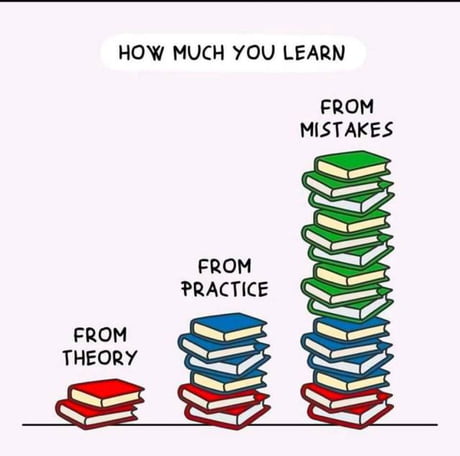
Don’t Be Afraid to Try (and Fail)!
Elegance
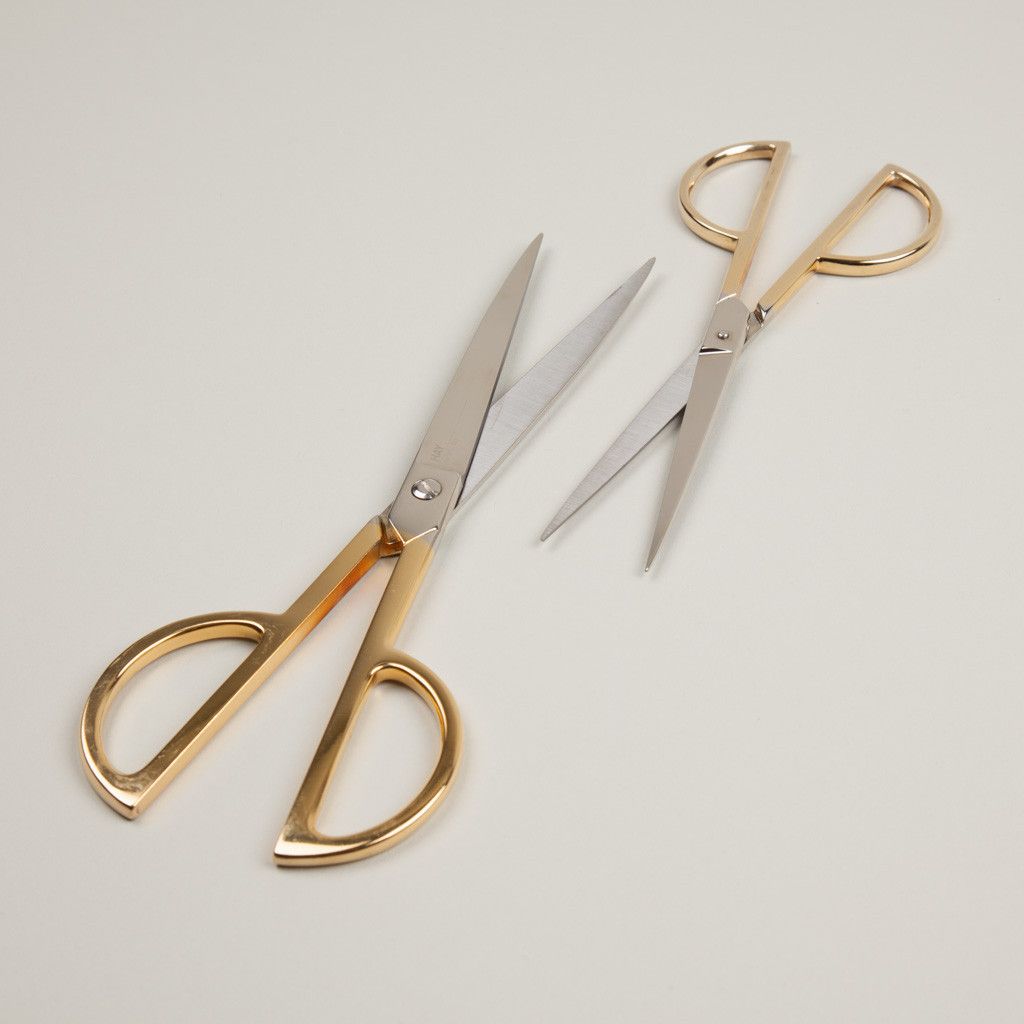
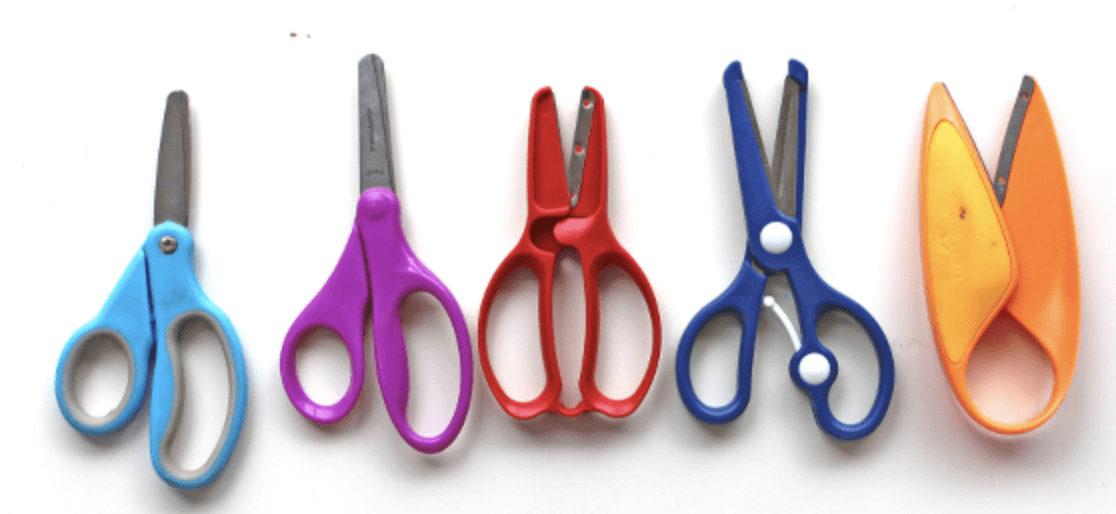
Elegance Example?
Scissors

Summary
Conclusions
Today we have begun to introduce some of the themes and ideas that we’ll see all term long:
Counting steps: What’s the best that can happen? What’s the worst?
Course schedule, syllabus and logistics.
Elegance.
Get Yourself Registered
PrairieLearn: https://us.prairielearn.com/pl/course_instance/228149
Piazza: https://piazza.com/ubc.ca/winterterm12026/cpsc203